Everything You Need To Know About Asian Flush
You're two drinks in and your face is on fire. Your friends are laughing that you're "already drunk," except you've barely started. That mix of heat and having to explain your own face to people is what a lot of people call 'Asian Flush' or 'Asian Glow', sometimes also called an alcohol rash.
You are far from the only one. An estimated 540 million people worldwide experience this reaction, most of them of East Asian descent. Writing for CBC's The Doc Project, one woman described how her face turned a deep shade of red after just a single drink, and the isolating feeling of people assuming she was drunk when she wasn't.
That social side is often what people talk about least: being told to slow down, or just avoiding photos on a night out. The redness itself isn't only cosmetic, it's your body flagging that something specific is happening beneath the surface.
What Causes 'Asian Flush'?

Think of how your body processes alcohol as a two-stage assembly line. Stage one converts alcohol into acetaldehyde, a toxic byproduct that's damaging to DNA cells. Stage two is supposed to finish the job by breaking that acetaldehyde down into something harmless your body can clear out.
'Asian Flush' is not an alcohol allergy. It happens because stage two is running in slow motion. A genetic deficiency in aldehyde dehydrogenase (ALDH), the enzyme responsible for that second stage, means acetaldehyde builds up in the bloodstream faster than the body can clear it out. This deficiency is common enough that it's estimated to affect 35 to 45 percent of people with Chinese, Japanese, or Korean ancestry.
That buildup is what triggers the reaction itself. High levels of acetaldehyde cause a massive release of histamine, which widens the blood vessels near the skin, and that's what shows up as redness and heat on your face. You can think of the flush the same way you'd think of a check-engine light: it's your body flagging that something underneath needs attention. It's a specific enzyme running slower than expected, not a matter of weak tolerance, a myth we cover in more depth in 5 common drinking myths you shouldn't believe.
Symptoms
Facial redness is the symptom people notice, and it's part of why some people call it an alcohol rash even though it isn't a rash in the dermatological sense. People experiencing 'Asian Flush' commonly also notice a faster heartbeat, headache, nausea, a stuffy nose, or feeling warm. For most people, these symptoms usually start soon after drinking begins.
Is 'Asian Flush' an Allergy?
No. As mentioned above, 'Asian Flush' is not an alcohol allergy, it is a genetic condition where a person's face and body turn red after drinking alcohol. Alcohol intolerance is a broader term and can include the flush along with congestion or nausea, sometimes triggered by other compounds in a drink such as sulphites.
A true alcohol allergy is rare, and involves hives, swelling, or breathing trouble rather than just redness. If your reaction is redness and heat every time, it's almost certainly the flush. If you're getting hives or breathing symptoms, that's a different situation and worth a conversation with a doctor.
How Long Does 'Asian Flush' Last?

It varies by person, and by how much and how fast you drank. As a general guide, the facial redness itself usually fades within one to three hours after drinking stops. Other symptoms such as headache or nausea can last longer, especially after heavier drinking.
Eating before drinking, pacing your drinks, and staying hydrated won't change the underlying genetics, but they do tend to make the reaction milder and shorter.
Is 'Asian Flush' Dangerous?
The flush itself isn't dangerous, but it's a signal worth paying attention to. It shows that more acetaldehyde is circulating in the bloodstream than in someone whose ALDH works properly.
This does not mean that having an occasional drink is a crisis. Practically speaking, you could drink less, drink more slowly, and/or find ways to support your body's natural alcohol metabolism.
How to Prevent 'Asian Flush'?
Simply put, the best way for Asian flush prevention is to stop drinking or limit your alcohol intake. However, that can be easier said than done for some people, who may be required to drink as part of their jobs or simply enjoy alcohol.
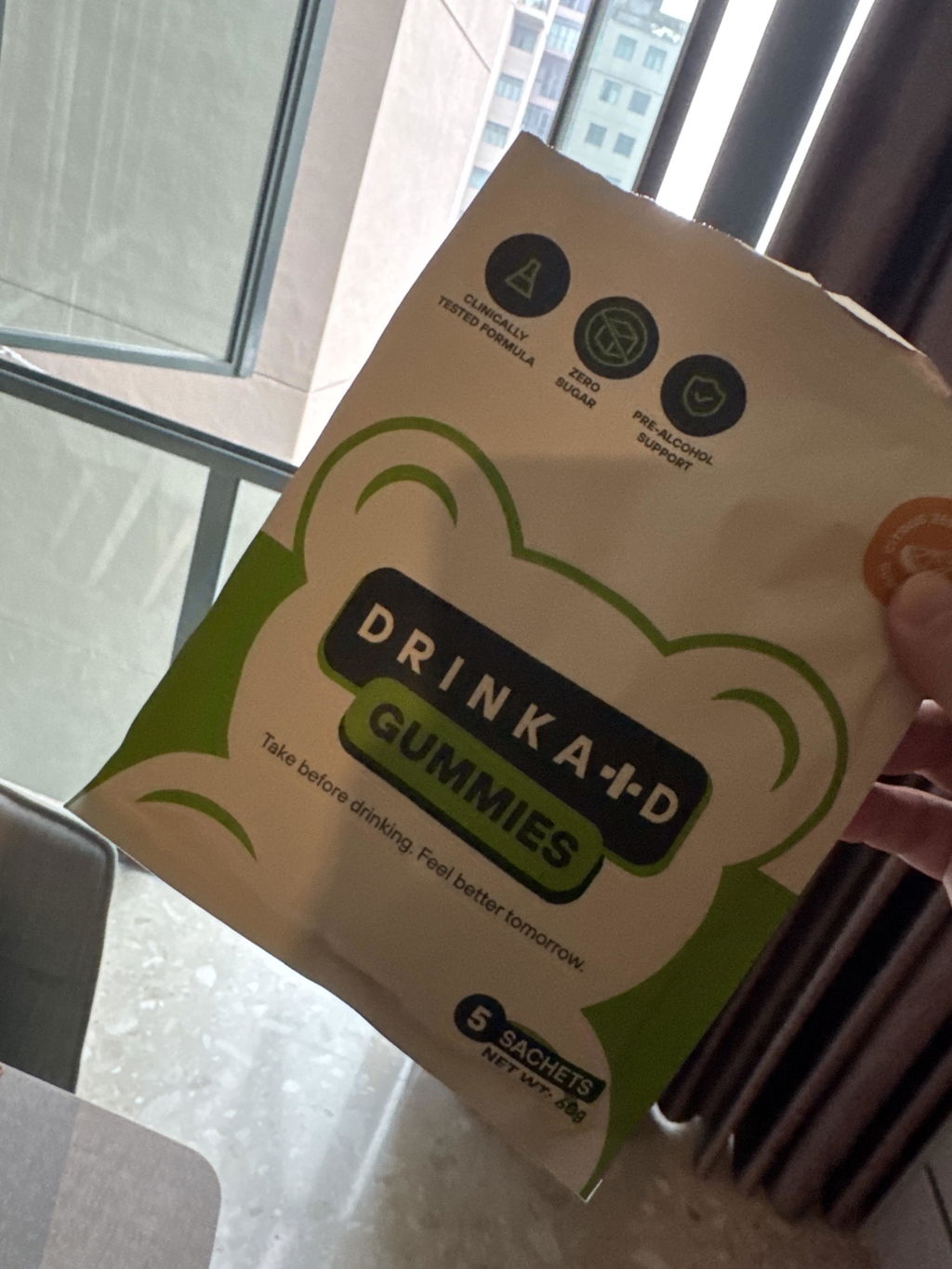
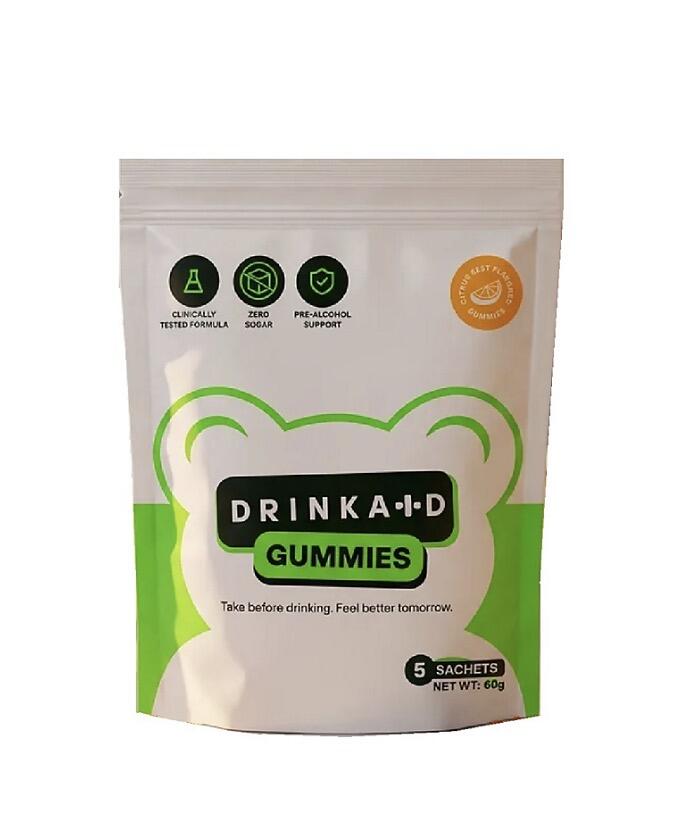
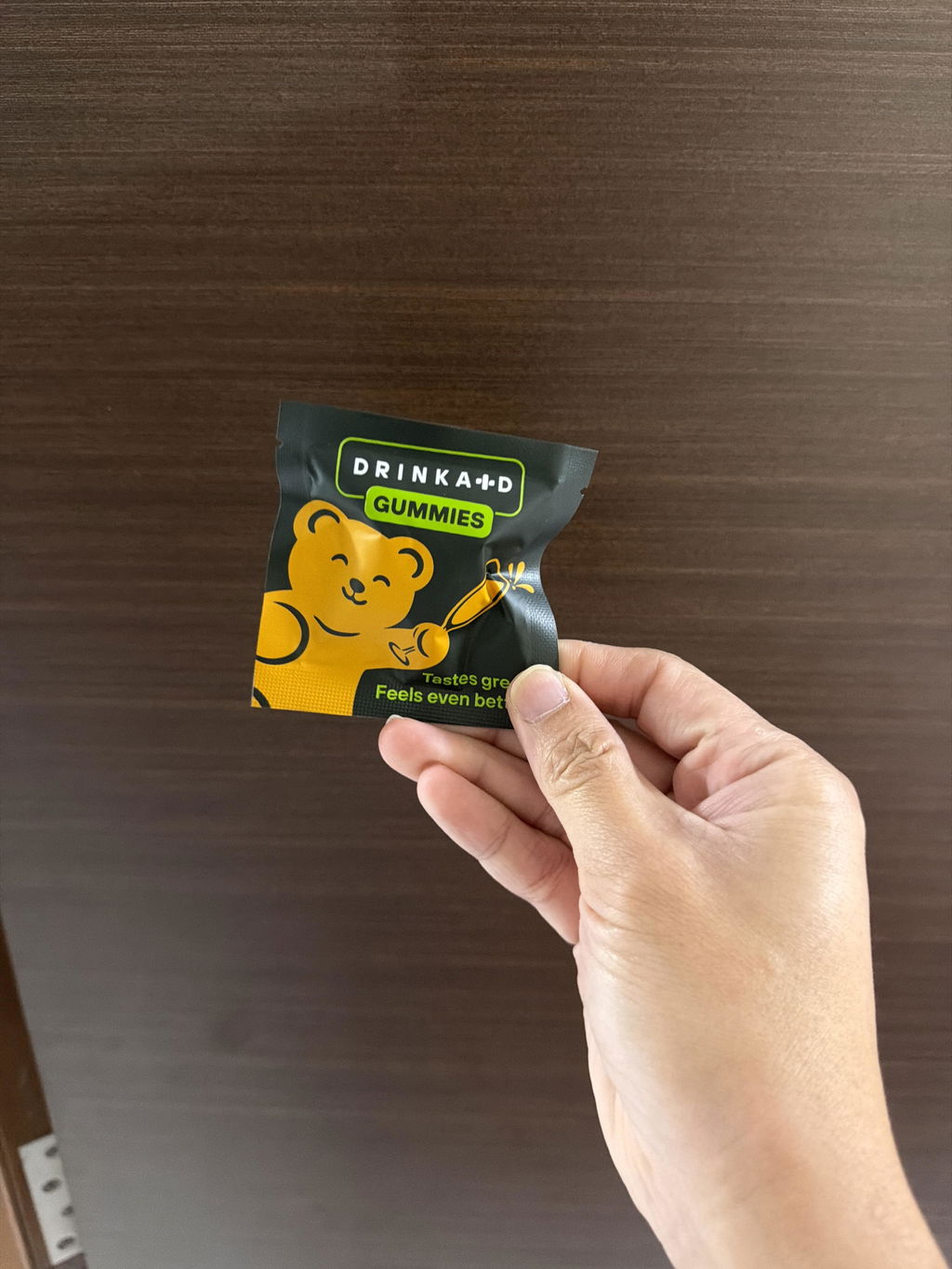
In such cases, DrinkAid's Complete Alcohol Defence helps to reduce Asian Glow by about 30-50% (in the case of moderate drinking) by speeding up the breakdown of acetaldehyde in your system. In doing so, you also feel as great the next morning as you did the night before.

A Few Practical Things That Help Too
1. Eat before you drink. Food slows down how fast alcohol is absorbed, which softens the reaction.
2. Pace yourself and hydrate. Smaller pours, more time between drinks, and water alongside your alcohol all reduce how much acetaldehyde builds up at once. For a clearer sense of where that line sits, see our piece on 4 tell-tale signs you've drunk a little too much.
3. Be cautious with antihistamines or acid-reducing medications. Some people reach for these to mask the redness. They can reduce visible flushing for some people, but they don't help the body clear acetaldehyde any faster, and researchers have warned that masking the symptom this way can lead to drinking more than intended. Anyone considering a medication-based approach should speak to a doctor first rather than self-managing it.
You can read more about how we test and formulate on our Science & Standards page.
FAQs
1. Is Asian flush an allergy?
No. It's a metabolic reaction caused by an ALDH2 enzyme variant, not an allergy. A true alcohol allergy is rare and shows up as hives, swelling, or breathing trouble rather than just redness.
2. How long does Asian flush last?
Facial redness typically fades within one to three hours after you stop drinking. Other symptoms like headache or nausea can last longer, particularly after heavier drinking.
3. Can you build a tolerance to Asian flush?
Not in a meaningful way. You might get used to how it feels, but the underlying enzyme deficiency doesn't change with repeated exposure.
4. Do antihistamines or acid reducers stop Asian flush?
They can reduce visible redness for some people by blocking histamine release, but they don't help your body clear acetaldehyde. Researchers have flagged this as a reason to be cautious, since masking the symptom doesn't reduce the underlying exposure. Talk to a doctor before using any medication this way.
5. Does flushing mean I'll get cancer?
Flushing on its own isn't a diagnosis. What research shows is that the combination of ALDH2 deficiency and ongoing drinking is linked to higher esophageal cancer risk. The practical response is to treat flushing as a reason to moderate your drinking, and to raise any specific concerns with a doctor.
6. Is "Asian glow" the same thing as Asian flush?
Yes. Asian glow, Asian flush, and alcohol flush reaction all describe the same thing: redness and warmth caused by acetaldehyde buildup from an ALDH2 variant.
Reference link(s):
- Why drinking can feel isolating when you have 'Asian glow'
- NIAAA: Alcohol Flush Reaction
- Cleveland Clinic: Facial Flushing, Should You Worry If Your Face Turns Red When You Drink?
- Mayo Clinic: Alcohol Intolerance, Symptoms & Causes
- Brooks et al., "The Alcohol Flushing Response," PLoS Medicine (via PMC)
- HealthXchange (SingHealth): Asian Flush Syndrome, How to Cope
This article is for general education and isn't medical advice. If you have questions about your own health or medications, speak with a doctor.